

Technology, meet reality.
We make AI work in
the real world.
About 25 hours AI
Less talk about what AI might do.
More AI doing real work,
in your organisation, now.
The gap between AI talk and AI that works
Most organisations have had the briefings, read the predictions and written the policy.
What they haven't had is AI doing useful work on a Tuesday afternoon.
That gap is where we work. We train your people on the tools they already have, build agents and workflows that run inside your systems, and stay until they keep working without us.
No forecasts. No 80-page strategy that never reaches anyone's desk. Working capability you can see and measure.

How we work
Start with the work.
We look at the tasks, the inbox and the paperwork first, then choose the technology. Not the other way round.
Build it, then prove it.
A working prototype on your real process beats a slide about one. We test, measure and show you what it does.
Keep people in charge.
AI drafts, sorts and checks. Your people decide, approve and own the result.
Make it last.
Handover, training, clear ownership and support, so it's still working six months later.
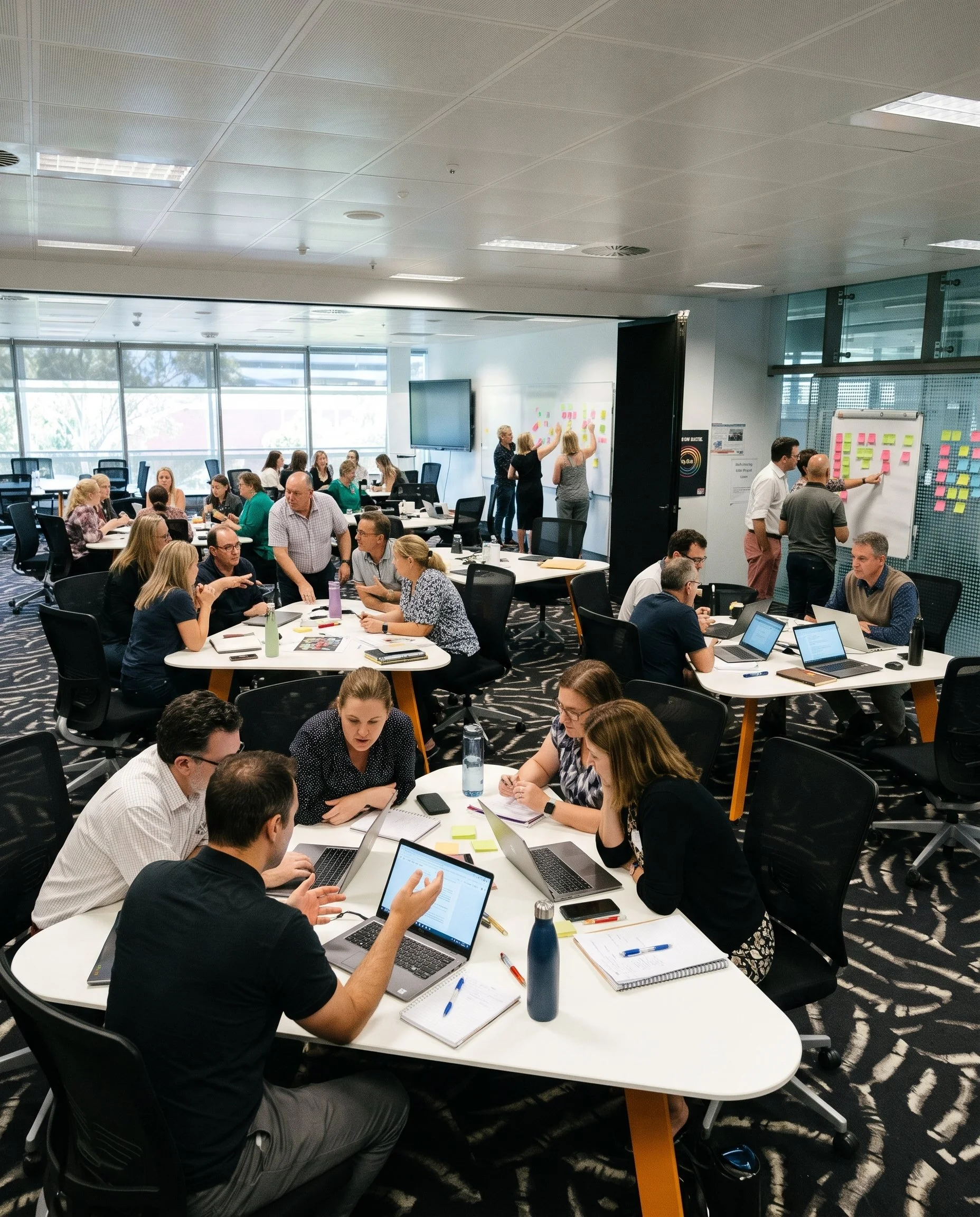
These images were generated with AI (ChatGPT and Gemini)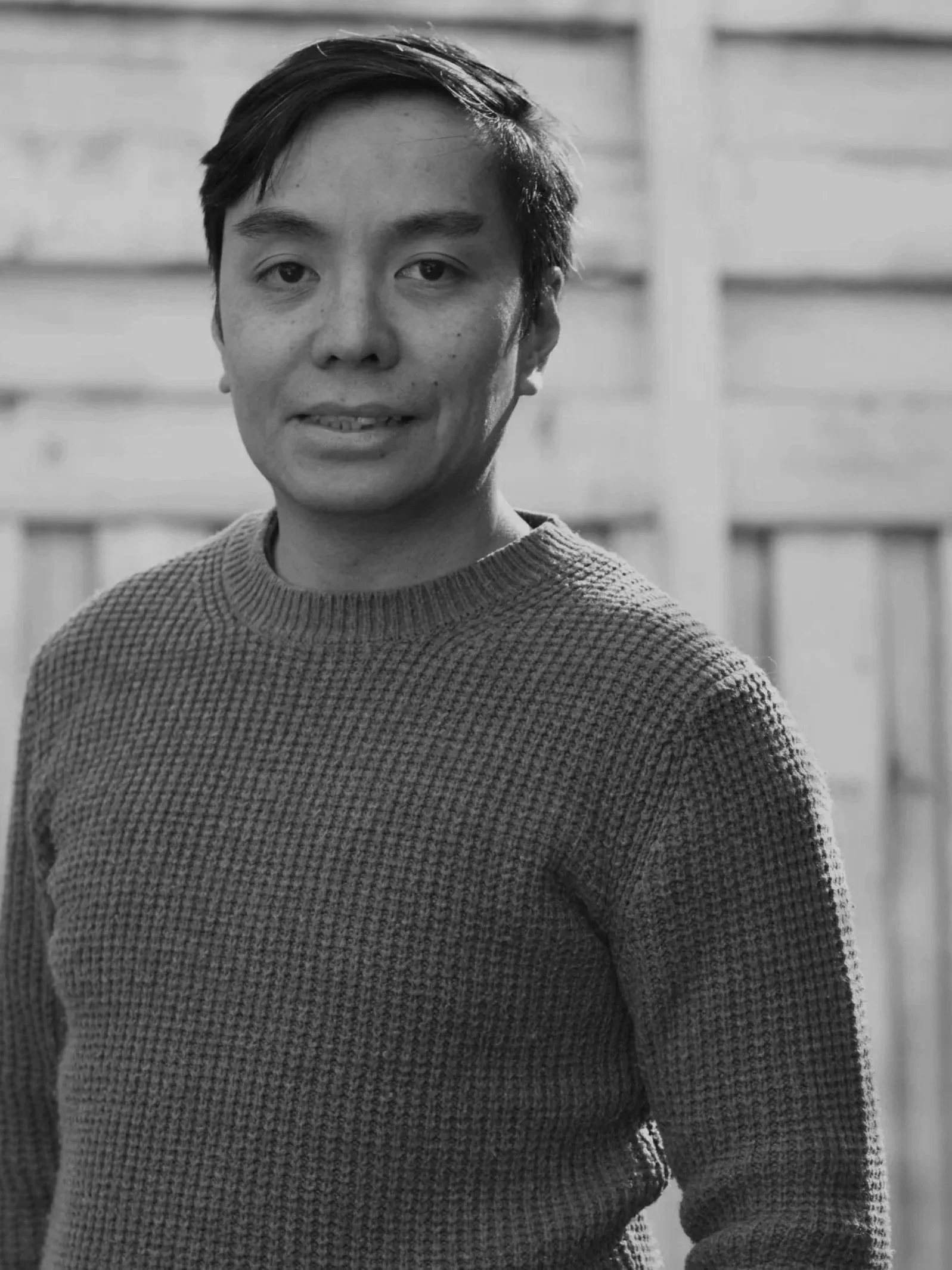
CEO | Founder
Monch Mercader
“Start with the work.
Design around the human. Then use AI where it earns its place.”
From idea to something that keeps working
In 2012 I helped build smart fridges for Coca-Cola Australia that used computer vision and early machine learning to read who was standing in front of them and tailor the content to for them.
That was before "AI" was on every agenda. Those fridges ended up at Coca-Cola in Sydney and at the company's headquarters in Atlanta.
Since then I've spent my career on the hard part of new technology: getting it out of the concept and into the real world, then keeping it running.
Interactive games for UFC that toured the United States. A computer vision welcome wall for Google Sydney.
A virtual reality road safety experience for the TAC at Melbourne Museum.
Each one had to work in front of real people, every day, not just in a demo.
Before founding 25 Hours AI,
I was Product Manager at a Research Management SaaS company, building research administration software for Australian universities. I learned how research offices and graduate research schools actually run, and why good tools fail when they ignore the people using them.
Today I lead 25 Hours AI.
We build AI agents for enquiry triage, policy questions, construction company RFIs, grant reviews, and train teams to use AI safely in their own work.
Same job as always: make the technology real and make it last.